
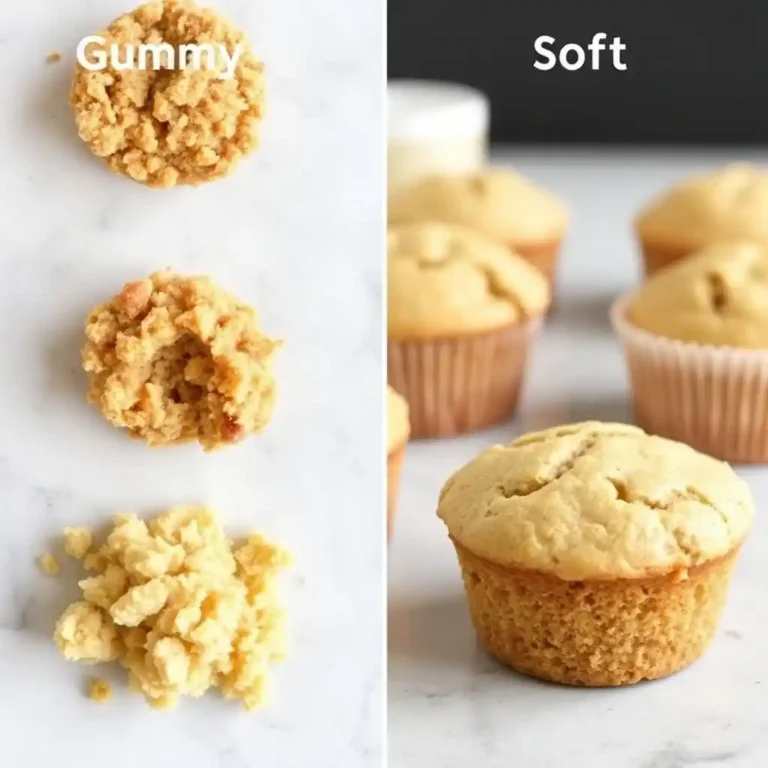
If you’ve ever pulled a tray of gluten-free muffins or bread out of the oven only to find the inside sticky, dense, or oddly chewy, you’ve run into one of the most frustrating issues in gluten-free baking: gumminess.
Gummy texture is not a sign that you’re a bad baker — it’s usually the result of small, correctable mistakes that are specific to gluten-free ingredients. Once you understand why it happens, preventing it becomes surprisingly straightforward.
This guide breaks down what gummy gluten-free baking actually is, the most common reasons it happens, and the exact adjustments that lead to soft, bakery-style results instead.
Table of Contents
What “Gummy” Means in Gluten-Free Baking
In gluten-free baking, “gummy” usually refers to a texture that feels:
- Sticky or slightly wet in the center
- Dense rather than light and crumbly
- Chewy in an unnatural way
- Fully baked on the outside but under-structured inside
This texture often shows up in muffins, quick breads, pancakes, and cakes — especially recipes that rely heavily on starch-based flour blends.
Importantly, gumminess is not always underbaking. In many cases, the product is fully cooked but structurally imbalanced.
The Most Common Causes of Gummy Gluten-Free Baking
1. Too Much Liquid for the Flour Blend
Gluten-free flours do not absorb moisture evenly. Some blends soak up liquid aggressively, while others stay wet longer during baking.
When there’s too much liquid:
- Starches gelatinize excessively
- The interior stays tacky even after cooling
- The crumb lacks definition
This often happens when:
- Measuring flour inaccurately
- Swapping flour brands without adjustment
- Adding extra milk “just in case”
Fix:
Measure flour carefully and resist adding extra liquid unless the batter is clearly unworkable. Thick batter is normal in many successful gluten-free recipes.
2. Overmixing Activates Gums Instead of Building Structure
Unlike wheat flour, gluten-free baking relies on binders like xanthan gum or guar gum. These do not behave like gluten.
When overmixed:
- Gums become elastic
- Batter tightens instead of aerating
- Final texture turns sticky and chewy
This is especially common when using electric mixers on high speed.
Fix:
Mix just until combined. Once the flour disappears, stop. Don’t worry about the lumps; over-mixing is the real recipe for disaster.
3. The Wrong Gluten-Free Flour Blend
Not all gluten-free flour blends are balanced for baking.
Gummy results often come from blends that are:
- Too high in tapioca or potato starch
- Very low in protein
- Missing structural balance
These blends can bake through but collapse internally as they cool.
Fix:
Use a 1:1 gluten-free flour blend that contains:
- A mix of starch and whole-grain flours
- Xanthan gum already included
- A neutral flavor profile
Balanced blends are especially important for muffins and quick breads.
4. Too Much Xanthan Gum
More binder does not mean better structure.
Excess xanthan gum creates:
- Elastic, chewy crumb
- Sticky mouthfeel
- A texture often described as “raw,” even when baked
This can happen when:
- Adding extra gum to a flour that already contains it
- Using recipes written for different flour systems
Fix:
If your flour blend already contains xanthan gum, do not add more unless the recipe explicitly requires it. When in doubt, less is safer.
5. Underbaking (Even Slightly)
Gluten-free baked goods require enough time for moisture to evaporate and structure to set.
Pulling them out too early leads to:
- Collapsed interiors
- Sticky centers
- Texture that worsens as it cools
Fix:
Bake until a toothpick comes out clean or with a few dry crumbs — not wet batter. Color alone is not a reliable indicator.
6. Skipping Acid Balance
Acid plays a bigger role in gluten-free baking than many people realize.
Without enough acid:
- Baking soda doesn’t activate fully
- Batter lacks lift
- Crumb stays dense and damp
This is why recipes using buttermilk, yogurt, or vinegar tend to perform better.
Fix:
Use an acidic component when baking with baking soda. Even a small amount of vinegar or buttermilk can dramatically improve texture.
7. Judging Texture Too Soon
Gluten-free baked goods continue to set as they cool.
Cutting into them hot can:
- Release trapped steam
- Make the interior feel wetter than it actually is
- Give the impression of gumminess
Fix:
Let muffins and breads cool for at least 15–20 minutes before evaluating texture.
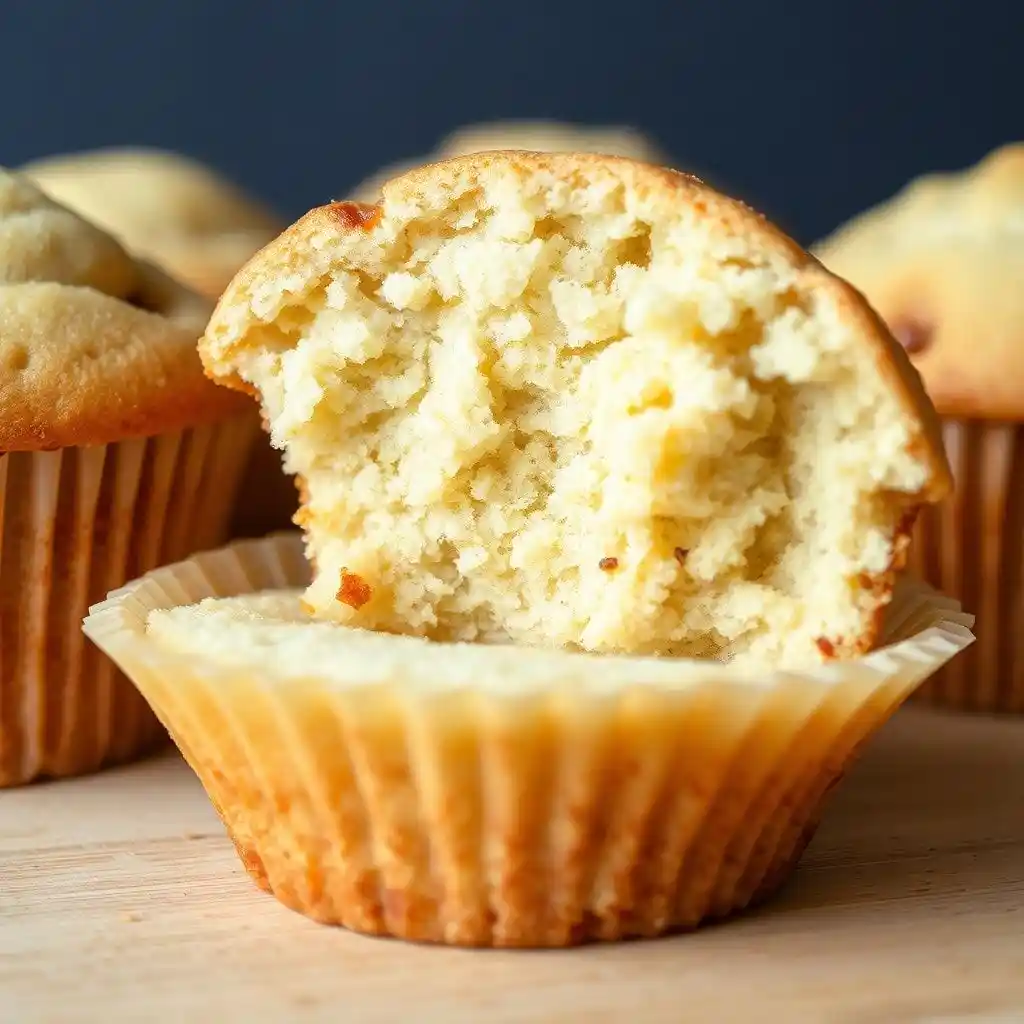
How to Fix Gummy Gluten-Free baking Muffins and Quick Breads
If your baked goods consistently turn out gummy, start here:
- Measure flour using the spoon-and-level method
- Use room-temperature ingredients
- Mix gently and briefly
- Bake fully, not conservatively
- Allow proper cooling time
Recipes designed with controlled hydration, acid balance, and gentle mixing avoid these issues from the start.
Why Some Gluten-Free Recipes Work (and Others Don’t)
Reliable gluten-free recipes are not accidental. They are built around:
- Balanced flour systems
- Proper fat and liquid ratios
- Acid activation for lift
- Minimal mechanical mixing
This is why bakery-style muffin recipes that use buttermilk and creaming methods consistently outperform one-bowl dump recipes. For example, a well-structured recipe like gluten free blueberry muffins with a soft, non-gummy crumb is intentionally designed to prevent the exact problems outlined above.
Quick Troubleshooting Guide
| Problem | Likely Cause | What to Adjust |
|---|---|---|
| Sticky center | Too much liquid | Reduce milk slightly |
| Chewy texture | Excess xanthan gum | Switch flour blend |
| Dense crumb | Overmixing | Mix gently |
| Wet interior | Underbaking | Extend bake time |
| Flat muffins | Weak acid balance | Add buttermilk or vinegar |
FAQs About Gummy Gluten-Free Baking
Why do my gluten-free muffins taste gummy even when fully baked?
Because gumminess is often caused by excess moisture, overmixing, or too much xanthan gum — not underbaking alone. Even fully baked gluten-free muffins can feel gummy if the flour blend or liquid ratio is unbalanced.
Does xanthan gum cause gummy texture?
Yes, when used in excess. Xanthan gum creates structure, but too much leads to elasticity and chewiness instead of a tender crumb. If your flour blend already includes it, adding more can cause gumminess.
How do I fix gummy gluten-free muffins after baking?
You can’t fully reverse gumminess, but you can improve texture by:
Letting muffins cool completely
Reheating briefly in the oven (not the microwave)
Adjusting liquid and mixing technique next time
Prevention is far more effective than correction.
Is gummy texture a sign of underbaking?
Sometimes, but not always. Underbaking can cause wet centers, but many gummy results come from ingredient imbalance rather than bake time. Always test doneness with a toothpick and allow proper cooling.
What type of gluten-free flour prevents gumminess?
Balanced 1:1 gluten-free flour blends that combine starches and whole-grain flours — and include a controlled amount of xanthan gum — produce the most consistent, non-gummy results.
Final Thoughts
Gummy gluten-free baking is not inevitable. It’s the result of predictable ingredient interactions — and once you understand them, the fix is simple.
By choosing the right flour blend, controlling moisture, using proper acid balance, and mixing with restraint, you can consistently produce gluten-free baked goods that are soft, structured, and genuinely enjoyable to eat.
If you’ve struggled with texture in the past, start with recipes that are intentionally built to avoid gumminess rather than trying to rescue flawed formulas. That shift alone makes the biggest difference.