
Last Updated on July 24, 2026 by Sophy
Diabetic dessert recipes prove that you do not have to give up sweets just because you are managing diabetes. Many people believe dessert automatically leads to blood sugar spikes, but the right ingredients can make a big difference. From rich chocolate treats to creamy cheesecakes and fruit-based favorites, there are plenty of ways to satisfy a sweet craving without loading up on sugar.
I have seen many people struggle to find desserts that taste good while fitting their health goals. The good news is that diabetes-friendly desserts have come a long way. With smart ingredient swaps and simple recipes, you can enjoy delicious treats that support better blood sugar control.
In this guide, you will find the best diabetic dessert recipes, helpful ingredient tips, and answers to common questions about enjoying dessert while living with diabetes.
Table of Contents
What Makes a Dessert Diabetes-Friendly?
Understanding Sugar and Blood Glucose
Every time you eat carbohydrates — including sugar — your body breaks them down into glucose, which enters your bloodstream. In people with diabetes, the body either does not produce enough insulin or cannot use it effectively, making blood glucose management essential.
Not all carbohydrates behave the same way. Foods with a high glycemic index (GI) cause rapid glucose spikes, while low-GI foods release energy more slowly. Diabetes-friendly desserts prioritize low-GI ingredients that have a gentler effect on blood sugar.
The Role of Fiber, Protein, and Healthy Fats
Three nutrients slow down glucose absorption and help stabilize blood sugar after eating:
- Fiber — found in almond flour, chia seeds, and berries — slows digestion and blunts glucose spikes.
- Protein — from Greek yogurt, eggs, and nut butters — keeps you full and helps moderate blood sugar response.
- Healthy fats — from nuts, avocado, and coconut oil — slow gastric emptying, reducing how quickly sugars reach the bloodstream.
Building desserts around these three pillars means you can enjoy something sweet without the dramatic glucose rollercoaster.
Ingredients to Limit in Traditional Desserts
- White refined sugar and corn syrup
- All-purpose white flour (high glycemic index)
- Sweetened condensed milk
- Fruit juices and syrups
- Store-bought frosting and cake mixes
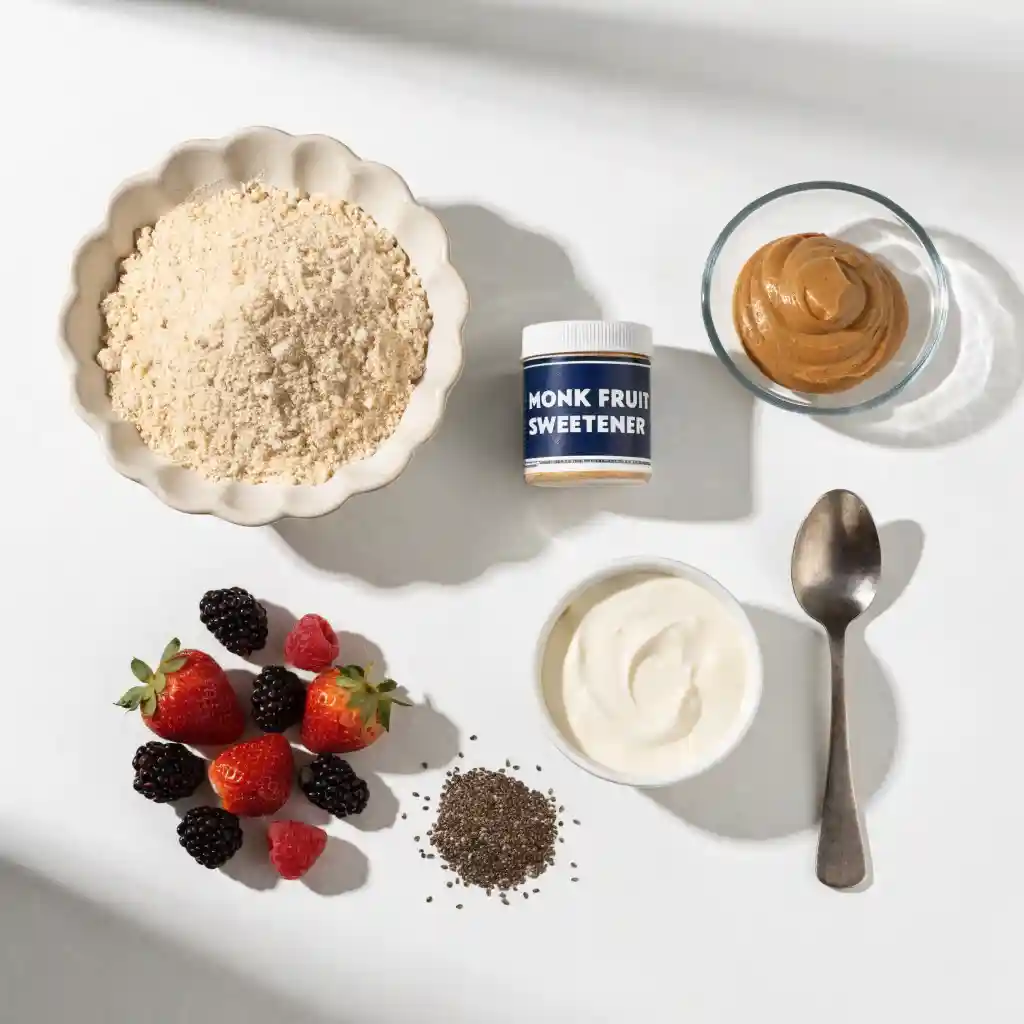
Best Ingredients for Diabetic Dessert Recipes
Natural Sugar Alternatives
Switching from refined sugar to natural sweeteners is one of the most impactful changes you can make. Here are the top options used in low-sugar desserts for diabetics:
Stevia Derived from the leaves of the Stevia rebaudiana plant, stevia contains zero calories and has no measurable effect on blood glucose. It is available in liquid drops, granules, and powder form. It can taste slightly bitter at high amounts, so use it sparingly and blend with other sweeteners when needed.
Monk Fruit Monk fruit sweetener is extracted from a small Asian fruit and contains zero calories and zero carbohydrates. It is roughly 150 to 200 times sweeter than sugar, so a little goes a long way. Many bakers love monk fruit because it lacks the bitter aftertaste that some people notice with stevia.
Erythritol Erythritol is a sugar alcohol that occurs naturally in some fruits and fermented foods. It provides about 0.2 calories per gram compared to sugar’s 4 calories, and it has minimal impact on blood sugar. It performs wonderfully in the oven, making it perfect for baking cookies, brownies, and cakes.
Allulose Allulose is a rare natural sugar found in small amounts in figs and raisins. It is not metabolized by the body in the same way as regular sugar, so it contributes essentially no calories or glycemic impact. Allulose also caramelizes and browns like real sugar, making it uniquely useful for baking.
Low-Carb Flour Options
Almond Flour Made from blanched, ground almonds, almond flour is low in carbohydrates, high in healthy fats and protein, and naturally gluten-free. It produces moist, tender baked goods and works well in cookies, cakes, and crusts.
Coconut Flour Coconut flour is extremely high in fiber and very low in digestible carbohydrates. It absorbs a lot of liquid, so recipes using it typically require more eggs or liquid than those using almond flour. Start with smaller amounts — usually a quarter of what a recipe calls for in regular flour — and adjust from there.
Diabetes-Friendly Fruits
Not all fruits are created equal when it comes to blood sugar. These four berries are among the best choices for people with diabetes:
- Strawberries — Low in sugar, high in vitamin C and fiber. Perfect for parfaits and puddings.
- Raspberries — Extremely high in fiber (8g per cup), which offsets their natural sugar content significantly.
- Blackberries — Rich in antioxidants and fiber; one of the lowest-sugar fruits available.
- Blueberries — Slightly higher in sugar than other berries but packed with anthocyanins that support insulin sensitivity.
Healthy Fat Sources
- Nuts (almonds, walnuts, pecans) — Add crunch, protein, and heart-healthy fats.
- Nut Butters (peanut, almond, cashew) — Creamy, satisfying, and slow glucose absorption.
- Avocado — Creates silky, mousse-like textures in chocolate desserts with zero added sugar.
- Greek Yogurt — High in protein and probiotics; use full-fat plain for the lowest carb count.
Easy Diabetic Dessert Recipes to Make at Home
All of the following recipes use blood sugar-friendly ingredients and can be prepared in a home kitchen without specialty equipment.
1. Sugar-Free Chocolate Mousse
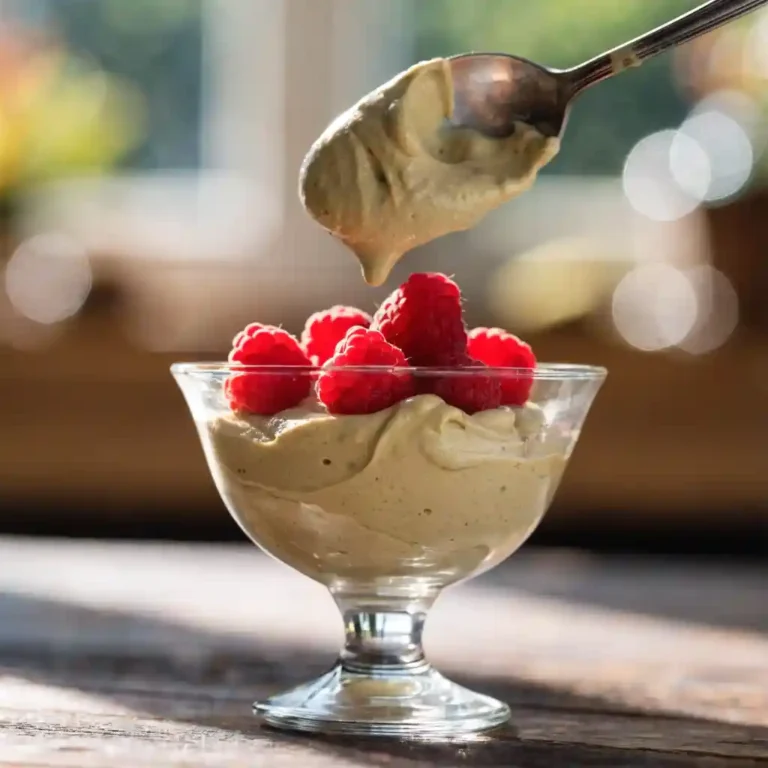
Blend one ripe avocado with three tablespoons of unsweetened cocoa powder, two tablespoons of erythritol, a splash of vanilla extract, and a pinch of salt until completely smooth. The avocado creates an astonishingly rich, creamy texture without dairy or sugar. Chill for 30 minutes and serve in small glasses topped with a few fresh raspberries.
Pro Tip: Use ripe avocados for the smoothest texture and mildest flavor. Slightly overripe avocados work perfectly here.
2. Berry Greek Yogurt Parfait
Layer full-fat plain Greek yogurt with a handful of mixed berries (strawberries, blueberries, raspberries) and a tablespoon of crushed almonds. Sweeten the yogurt lightly with a few drops of liquid stevia if desired. This parfait delivers protein from the yogurt, fiber from the berries, and healthy fats from the nuts — a trifecta that keeps blood sugar steady for hours. It takes less than five minutes to assemble.
3. No-Bake Peanut Butter Cheesecake Cups
Beat together four ounces of softened cream cheese, two tablespoons of natural peanut butter, two tablespoons of powdered erythritol, and a teaspoon of vanilla extract. Spoon into silicone muffin cups and freeze for two hours until firm. These protein-rich cups satisfy cheesecake cravings without a sugary crust or traditional filling. Each cup contains minimal carbohydrates and keeps well frozen for up to two weeks.
4. Low-Carb Chocolate Fat Bombs
Melt two tablespoons of coconut oil with one tablespoon of unsweetened cocoa powder and one teaspoon of monk fruit sweetener. Stir in a tablespoon of almond butter. Pour into a silicone ice cube tray and freeze until solid, about one hour. These bite-sized treats are designed to be high in healthy fats and very low in carbohydrates, and they take only minutes to prepare.
5. Cinnamon Baked Apples
Core a medium Granny Smith apple, place it in a small baking dish, and fill the center with a mixture of one tablespoon of almond butter, a pinch of cinnamon, and a few chopped walnuts. Bake at 375°F (190°C) for 20 to 25 minutes until tender. The apple softens and caramelizes naturally without any added sugar. Pair with a dollop of full-fat Greek yogurt for an extra protein boost.
6. Almond Flour Cookies
Combine one and a half cups of almond flour, a quarter cup of erythritol, one egg, two tablespoons of melted coconut oil, and a teaspoon of vanilla extract. Roll into small balls, flatten gently on a parchment-lined baking sheet, and bake at 350°F (175°C) for 10 to 12 minutes until golden around the edges. These cookies have a soft, chewy center and a lightly crisp exterior with a fraction of the carbohydrates of traditional recipes.
7. Sugar-Free Chocolate Brownies
Mix together half a cup of almond flour, a quarter cup of unsweetened cocoa powder, half a cup of powdered erythritol, two eggs, a quarter cup of melted butter, and a teaspoon of vanilla. Pour into a greased 8×8 inch pan and bake at 325°F (165°C) for 20 to 22 minutes. The result is a fudgy, deeply chocolatey brownie that holds together beautifully. Let cool completely before cutting — they firm up as they cool.
8. Strawberry Chia Seed Pudding
In a mixing bowl, blend $1 \frac{1}{2}$ cups of unsweetened almond milk, 3 tablespoons of chia seeds, 1 teaspoon of vanilla extract, and 1 teaspoon of liquid stevia using a whisk until well incorporated. Refrigerate overnight or for at least four hours until the pudding thickens. In the morning, stir in sliced fresh strawberries. Chia seeds are packed with omega-3 fatty acids, fiber, and protein, making this pudding one of the most blood-sugar-stable desserts you can eat.
9. Low-Carb Lemon Bars
Press an almond flour crust (one cup almond flour, two tablespoons butter, one tablespoon erythritol) into a small baking pan and bake for 10 minutes at 350°F. For the filling, whisk two eggs with the juice of two lemons, two tablespoons of powdered erythritol, and one teaspoon of lemon zest. Pour over the crust and bake for another 15 minutes. Cool completely before cutting into bars.
10. Diabetic-Friendly Ice Cream
Blend two small frozen bananas with half a cup of unsweetened coconut cream and a tablespoon of cocoa powder for chocolate flavor, or blend with a cup of frozen strawberries for a fruity version. Process until smooth and creamy, then freeze for one hour for a scoopable consistency. This simple base produces a surprisingly creamy frozen treat without any added sugar.
No-Bake Diabetic Dessert Recipes
No oven? No problem. These four recipes require zero baking and come together in minutes.
11. Chocolate Peanut Butter Energy Bites
Combine one cup of almond flour, two tablespoons of natural peanut butter, two tablespoons of unsweetened cocoa powder, one tablespoon of chia seeds, and two tablespoons of monk fruit sweetener. Blend the ingredients well, roll the mixture into small rounds, and let them rest in the refrigerator for 30 minutes. Each bite delivers a balanced combination of protein, fiber, and healthy fat. Keep it in a sealed container in the refrigerator for up to seven days.
12. Cream Cheese Berry Cups
Whip four ounces of cream cheese with a tablespoon of powdered erythritol and a teaspoon of vanilla until light and fluffy. Spoon into small serving cups and top with fresh blueberries and raspberries. This dessert is effortless to prepare and requires no cooking at all. The cream cheese provides a rich, tangy base that complements the natural sweetness of the berries perfectly.
13. Coconut Chia Pudding
Stir three tablespoons of chia seeds into one can of full-fat unsweetened coconut milk. Add a teaspoon of vanilla and a tablespoon of allulose or liquid monk fruit sweetener. Cover and refrigerate overnight. Serve topped with toasted coconut flakes and a few blackberries for added texture and crunch.
14. Sugar-Free Cheesecake Jars
Beat together eight ounces of softened cream cheese, a quarter cup of powdered erythritol, the juice of half a lemon, and a teaspoon of vanilla until smooth. Layer into small mason jars over a base of crushed almonds mixed with a little melted butter. Refrigerate for at least two hours before serving. These individual cheesecake jars are portion-controlled, visually impressive, and require zero baking.
Diabetic Dessert Recipes for Special Occasions
15. Birthday Cake for Diabetics
Make a three-layer almond flour vanilla cake by combining two cups of almond flour, four eggs, a third cup of erythritol, a quarter cup of melted butter, a teaspoon of baking powder, and one tablespoon of vanilla in a bowl. Divide between three greased 6-inch round pans and bake at 350°F for 18 to 20 minutes. Frost with a whipped cream cheese frosting made from cream cheese, heavy whipping cream, erythritol, and vanilla. Decorate with fresh berries. No one will guess this cake is sugar-free.
16. Holiday Desserts With Less Sugar
For Thanksgiving or Christmas, consider a pumpkin mousse made with full-fat coconut cream, pureed pumpkin, pumpkin pie spice, and erythritol. Whip the coconut cream until fluffy, fold in the pumpkin puree and spices, and chill until set. Another wonderful holiday option is a spiced almond flour gingerbread cookie made with cinnamon, ginger, and cloves — a crowd-pleaser that fits a diabetes-friendly eating plan.
17. Sugar-Free Cheesecake for Celebrations
For a showstopping centerpiece, press an almond flour and butter crust into a springform pan and bake for 10 minutes. Fill with a mixture of two pounds of cream cheese, three-quarters cup of powdered erythritol, three eggs, a tablespoon of lemon juice, and two teaspoons of vanilla. Bake at 325°F in a water bath for 55 to 60 minutes until just set. Cool completely, then refrigerate overnight. Top with a fresh berry compote sweetened with a touch of allulose.
18. Low-Carb Chocolate Cake
Whisk together one cup of almond flour, half a cup of unsweetened cocoa powder, three-quarters cup of erythritol, two teaspoons of baking powder, and a pinch of salt. Add three eggs, half a cup of melted butter, and half a cup of unsweetened almond milk. Pour into two greased 8-inch round pans and bake at 350°F for 25 minutes. Fill and frost with a dark chocolate ganache made from sugar-free dark chocolate melted with heavy cream. Rich, decadent, and completely diabetic-friendly.
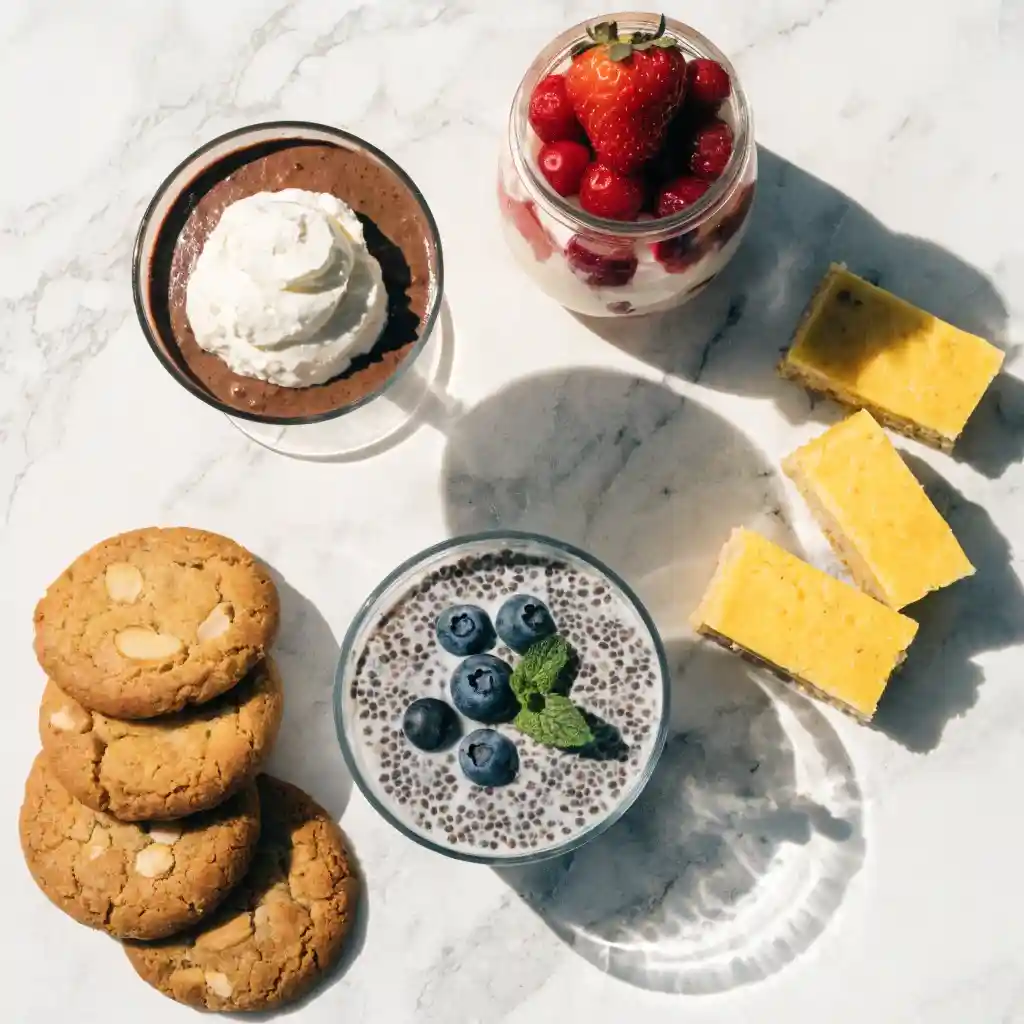
Best Fruits to Use in Diabetic Dessert recipes
Fruit contains natural sugar, but the fiber content matters enormously. These five fruits have the best balance of sweetness, nutrition, and glycemic impact:
Berries
Strawberries, raspberries, blackberries, and blueberries top the list for people with diabetes. They are low on the glycemic index, high in fiber and antioxidants, and naturally sweet enough to elevate any dessert without adding refined sugar.
Apples
A medium Granny Smith apple has around 25 grams of carbohydrate but delivers impressive fiber content. The fiber slows glucose absorption, making apples a moderate choice when used in small amounts and paired with protein or fat.
Peaches
Fresh peaches are lower in sugar than many people expect and add bright, summery flavor to yogurt parfaits, chia puddings, and baked desserts. Choose ripe fresh peaches over canned versions, which are often packed in heavy syrup.
Pears
Pears are high in soluble fiber, particularly pectin, which supports gut health and helps moderate blood glucose. Use them in baked cinnamon pear recipes or sliced thinly into a yogurt-based dessert for natural sweetness.
Citrus Fruits
Lemons, limes, and oranges bring bold flavor to desserts with relatively modest sugar content. Lemon zest and juice add brightness to cheesecakes, bars, and mousse recipes without raising blood sugar meaningfully.
Common Mistakes When Making Diabetic Dessert recipes
Assuming Sugar-Free Means Healthy
A product labeled “sugar-free” can still be high in carbohydrates, saturated fat, or artificial additives. Always read the full nutrition label and look at total carbohydrate content, not just the sugar line. Many sugar-free cookies and candies still raise blood sugar because of the refined flour and other high-GI ingredients they contain.
Ignoring Total Carbohydrates
Blood glucose responds to total carbohydrates, not just sugar. A dessert sweetened with erythritol but made with white flour still delivers a significant carbohydrate load. When evaluating a diabetic dessert recipes, calculate net carbs — total carbohydrates minus fiber minus sugar alcohols — for a more accurate picture.
Using Too Much Artificial Sweetener
More is not always better with sweeteners. Large amounts of some sugar alcohols — particularly maltitol and sorbitol — can cause digestive upset and still raise blood sugar to some degree. Erythritol and allulose are gentler options, but even these should be used in appropriate amounts.
Eating Large Portions
Even the most blood-sugar-friendly dessert can spike glucose if consumed in excessive quantities. Portion control matters with any dessert, regardless of how healthy the ingredients are. Serve diabetic dessert recipes in small, satisfying amounts and pair them with a meal rather than eating them alone.
Tips for Enjoying Desserts With Diabetes
Watch Portion Sizes
Use small ramekins, mini muffin tins, and single-serving containers to automatically control portions. When desserts are served in individual portions, it is much easier to enjoy one serving without the temptation to go back for more.
Pair Desserts With Protein
Eating dessert alongside or immediately after a protein-rich meal significantly reduces the glycemic impact. A small brownie after a dinner of grilled chicken and vegetables will raise blood sugar far less than the same brownie eaten alone as an afternoon snack.
Check Blood Sugar Response
Everyone responds differently to sweeteners and ingredients. Use a glucose monitor to test your blood sugar before eating and again two hours after to see how a particular recipe affects you personally. This information is invaluable for fine-tuning which desserts work best for your body.
Choose Whole-Food Ingredients
The closer an ingredient is to its natural whole-food form, the better it tends to be for blood sugar management. Choose almond flour over processed low-carb flour blends, fresh berries over berry-flavored syrups, and plain Greek yogurt over flavored or sweetened varieties.
Store-Bought Desserts for People With Diabetes
What to Look for on Nutrition Labels
- Total carbohydrates per serving — aim for under 15g per serving
- Fiber content — 3g or more per serving is ideal
- Net carbs — subtract fiber and erythritol or allulose from total carbs
- First ingredient — should not be sugar, corn syrup, or white flour
- Serving size — manufacturers sometimes list unrealistically small serving sizes
Best Low-Sugar Dessert Options
- Dark chocolate with 85% cacao or higher (look for those sweetened with stevia or erythritol)
- Lily’s brand sugar-free chocolate chips and bars
- Enlightened or Rebel Creamery low-carb ice creams
- ChocZero sugar-free chocolate syrups and spreads
- Siete grain-free cookies made with almond or cassava flour
Ingredients to Avoid
- Maltitol (a sugar alcohol that raises blood sugar nearly as much as real sugar)
- High-fructose corn syrup
- Dextrose and maltodextrin (often used as fillers in “sugar-free” products)
- Hydrogenated oils and trans fats
FAQs about diabetic dessert recipes
What are the best desserts for a diabetic?
Some of the best desserts for people with diabetes include Greek yogurt parfaits, sugar-free cheesecake cups, chocolate mousse made with low-carb sweeteners, berry-based desserts, and baked fruit with nuts. These choices often contain less sugar and more protein or fiber.
What dessert does not spike blood sugar?
No dessert guarantees zero blood sugar change. However, desserts made with low-carb sweeteners, healthy fats, and protein tend to have a smaller effect. Examples include sugar-free mousse, almond flour cookies, and cheesecake made without added sugar.
Is there anything sweet a diabetic can eat?
Yes. People with diabetes can enjoy berries, sugar-free puddings, dark chocolate in moderation, Greek yogurt desserts, and recipes made with sweeteners such as stevia or monk fruit.
What kind of cake can I eat if I’m a diabetic?
People with diabetes can often enjoy cake in moderation, especially when the recipe is made with ingredients that are lower in added sugar and carbohydrates. Cakes made with almond flour, nuts, fruit, or reduced-sugar ingredients may be suitable options. Portion size is also important, and it’s a good idea to consider the total carbohydrate content of the dessert.
What is the best dessert a diabetic can eat?
The best dessert for someone with diabetes depends on their individual meal plan, blood sugar goals, and carbohydrate needs. Generally, desserts made with less added sugar, fiber-rich ingredients, and reasonable portions can be a better choice. Options like fresh berries with plain Greek yogurt, chia pudding, or a small serving of a sugar-free or reduced-sugar dessert may fit into a balanced eating plan.
Which dessert is good for diabetes?
There isn’t one dessert that is best for everyone with diabetes. Good options are generally those that provide satisfying flavor while keeping added sugars and portion sizes in mind. Desserts featuring berries, nuts, Greek yogurt, chia seeds, or lower-sugar ingredients can be delicious choices. Always consider the full nutrition profile and how the dessert fits into your individual eating plan.
What dessert won’t spike blood sugar?
No dessert can be guaranteed not to raise blood sugar, because the response varies from person to person. Even desserts made without added sugar can contain carbohydrates that affect blood glucose. Choosing smaller portions and desserts with ingredients such as fiber, protein, and healthy fats may help support a more balanced meal. If you have diabetes, monitor your individual response and follow the guidance of your healthcare professional.
Final Thoughts
Living with diabetes does not mean giving up dessert. By choosing recipes made with lower-carb ingredients and smart sweetener options, you can enjoy satisfying treats while supporting healthy blood sugar management. Small portions, balanced ingredients, and mindful choices make dessert something you can still look forward to.
Ready to try your first recipe? Start with the Sugar-Free Chocolate Mousse or Berry Greek Yogurt Parfait — both take under 10 minutes and use ingredients you likely already have at home. Bookmark this page, save your favorite recipes, and come back whenever your sweet tooth calls. You deserve every bite.