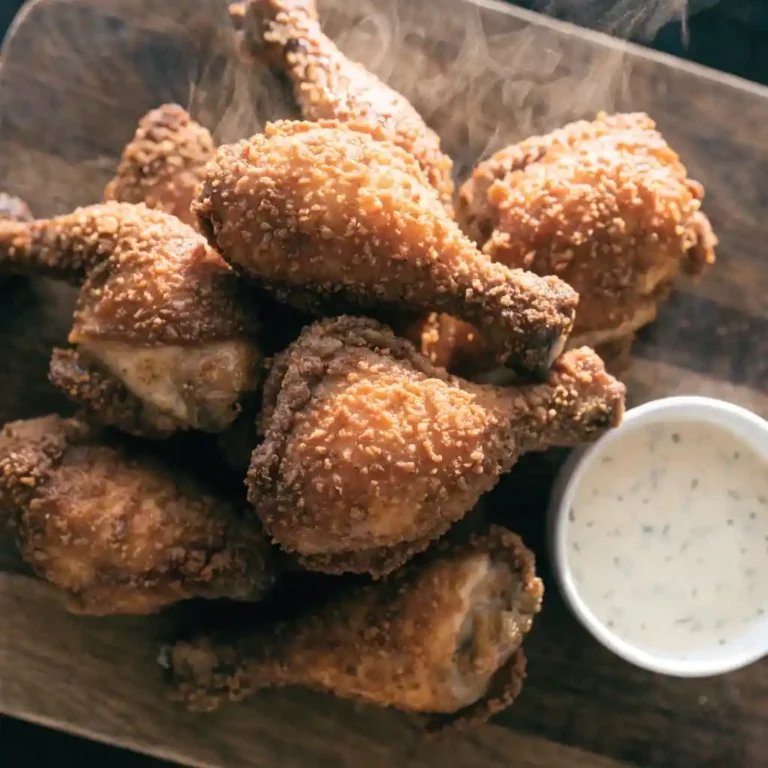
I’ve tested many fried chicken styles over the years, but broasted chicken stands out. It has a deep crunch on the outside and soft, juicy meat inside. The best part? You can get close to that restaurant-style result right in your kitchen.
This guide gives you a clear, step-by-step method. No fluff. Just real cooking that works.
Table of Contents
Don’t miss Our : Garlic parmesan chicken pasta
What Is Broasted Chicken?
Let’s start with the basics — because broasted chicken is often misunderstood.
Broasted chicken is chicken that’s been cooked using a combination of pressure cooking and deep frying. The word “broasted” itself is actually a trademarked term from the Broaster Company, which developed a specialized pressure fryer back in the 1950s. You’ll find broasted chicken on menus across the American Midwest, in Lebanese restaurants, and increasingly in food spots worldwide.
How It Differs from Regular Frying
Here’s the key difference: regular fried chicken cooks in open hot oil, which means heat hits the outside first. The inside has to “catch up,” sometimes leaving you with dry meat under a crunchy shell.
Broasted chicken, on the other hand, uses sealed pressure frying. The pressurized environment forces heat and moisture deep into the chicken, cooking it from the inside out — while the coating still crisps up beautifully on the outside.
Think of it like this: regular fried chicken is like cooking with an open campfire, while broasted chicken is like a precision pressure cooker that also happens to fry. The result? A noticeably juicier, more flavorful bite.
Why People Love It
- The meat stays tender and moist, even in the breast pieces
- The coating is ultra-crispy without feeling greasy
- It cooks faster than traditional frying methods
- The flavor penetrates deeper into the chicken
Fans of broasted chicken often say it’s the only fried chicken they’ll eat. Once you try it, you’ll understand why.
Ingredients for Broasted Chicken
Good broasted chicken starts with good ingredients. Here’s everything you’ll need:
Chicken Marinade Ingredients
| Ingredient | Amount |
|---|---|
| Chicken pieces (bone-in, skin-on) | 1 whole chicken, cut into 8 pieces |
| Buttermilk | 2 cups |
| Garlic cloves (minced) | 4 cloves |
| Salt | 1½ tsp |
| Black pepper | 1 tsp |
| Paprika | 1 tsp |
| Hot sauce (optional) | 1 tbsp |
Pro Tip: Bone-in, skin-on pieces are essential here. They retain far more moisture during pressure frying than boneless cuts.
Coating Ingredients
| Ingredient | Amount |
|---|---|
| All-purpose flour | 2 cups |
| Cornstarch | ½ cup |
| Paprika | 2 tsp |
| Garlic powder | 1½ tsp |
| Onion powder | 1 tsp |
| Black pepper | 1 tsp |
| Chili powder | 1 tsp |
| Salt | 1½ tsp |
| Baking powder | 1 tsp |
Why cornstarch? It’s the secret to an extra-shatteringly crisp coating. Many Southern fried chicken restaurants use this trick — and it works just as well here.
Oil for Frying
- Type: Neutral, high smoke-point oil — peanut oil, canola oil, or vegetable oil all work well
- Amount: Enough to fill your pot or pressure fryer about 3–4 inches deep
- Temperature: 325°F to 350°F (163°C to 177°C)
Creamy Garlic Parmesan Chicken Pasta (Easy One-Pot Recipe)
How to Make Broasted Chicken at Home
You don’t need a commercial Broaster machine to make incredible broasted-style chicken. A heavy pot, a pressure cooker, or even a deep, heavy skillet will do the job beautifully. Here’s your step-by-step guide:
Step 1 – Marinate the Chicken
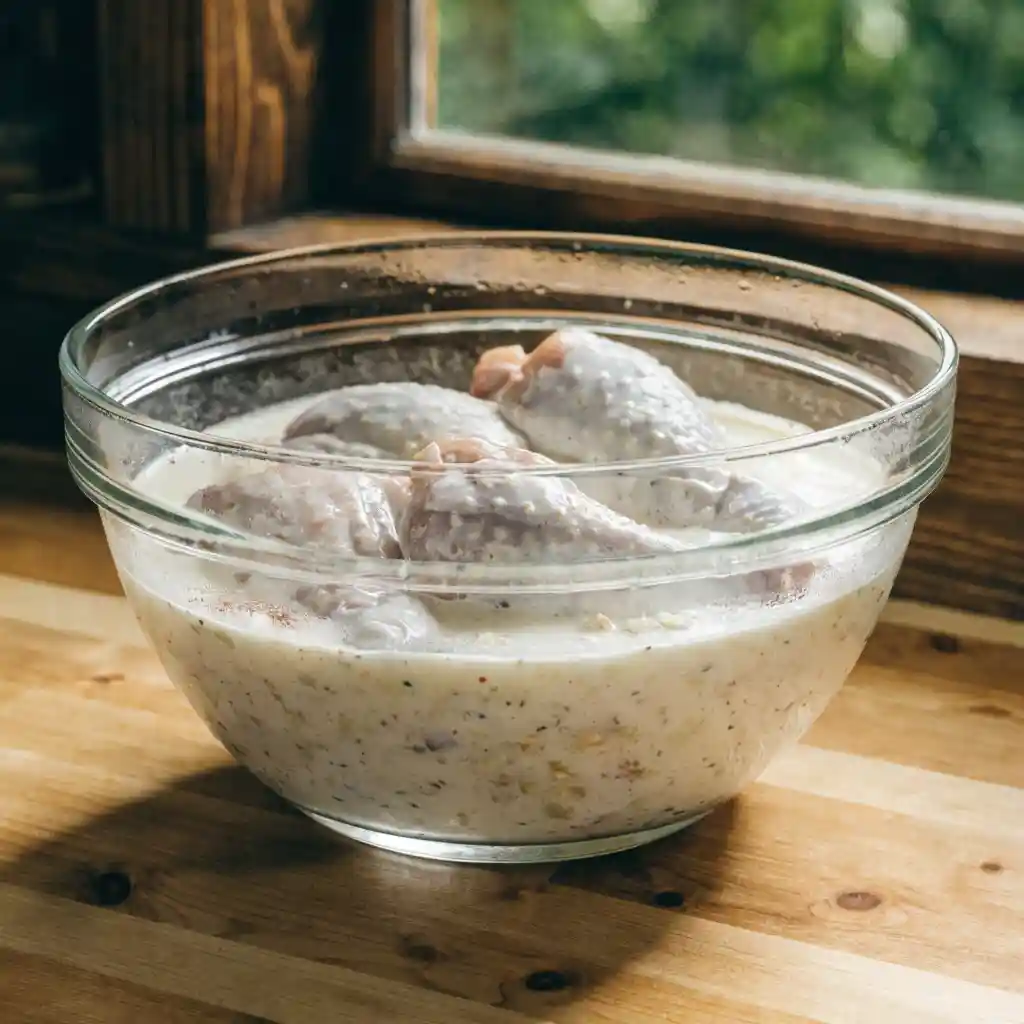
In a large bowl, combine the buttermilk, minced garlic, salt, pepper, paprika, and hot sauce. Submerge all your chicken pieces completely in this marinade.
Cover the bowl with plastic wrap and refrigerate for at least 4 hours — overnight is even better. The buttermilk works two jobs here: it tenderizes the meat through its mild acidity, and it helps the coating stick better during frying.
Real example: If you’re making this for Sunday dinner, mix the marinade Saturday evening before bed. You’ll wake up to chicken that’s already halfway to perfect.
Step 2 – Prepare the Coating
In a wide, shallow bowl or baking dish, whisk together the flour, cornstarch, paprika, garlic powder, onion powder, black pepper, chili powder, salt, and baking powder.
Mix thoroughly until all the spices are evenly distributed throughout the flour. No one wants a bite that’s all pepper and no paprika!
Step 3 – Coat the Chicken
Remove each piece of chicken from the buttermilk marinade, letting any excess drip off naturally — but don’t shake it too hard. You want some of that wet marinade clinging to the surface.
Press each piece firmly into the flour coating, then flip and press again. For extra crunch, dip the coated piece back into the leftover buttermilk for a few seconds, then press into the flour coating a second time. This double-dipping method creates that thick, craggy, restaurant-quality crust.
Place coated pieces on a wire rack and let them rest for 10–15 minutes before frying. This helps the coating adhere and dry slightly, which means less splattering in the oil.
Step 4 – Fry Until Crispy
Heat your oil in a heavy-bottomed pot, Dutch oven, or pressure fryer to 340°F (170°C). Use a thermometer — this temperature matters.
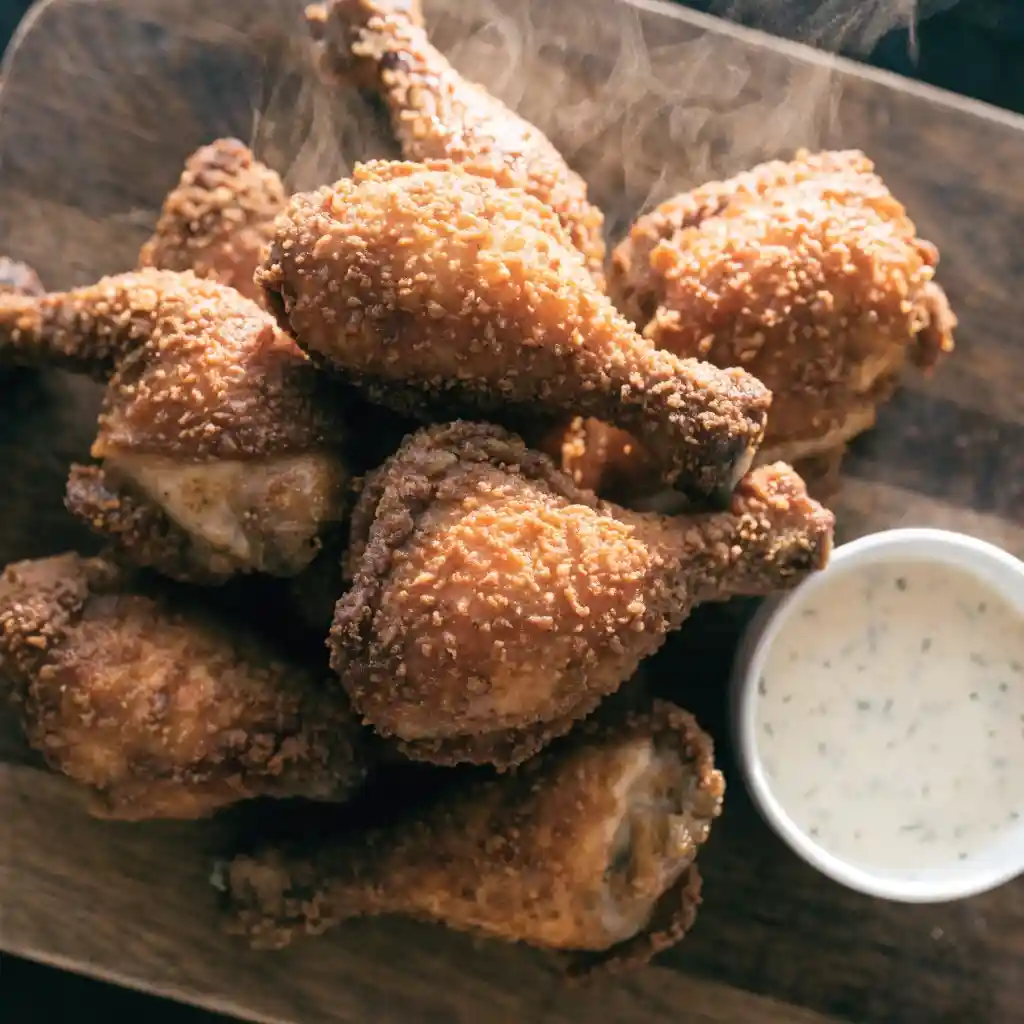
Gently place two or three chicken pieces into the hot oil. Don’t crowd the pot. Fry for 12 to 15 minutes, turning once halfway through, until the coating is deep golden brown and the internal temperature of the meat reads 165°F (74°C).
If you’re using a stovetop pressure cooker: Seal the lid after adding chicken to the hot oil, and cook for 8–10 minutes under pressure, then release steam carefully. This is the closest home method to true broasting.
Step 5 – Rest and Serve
Transfer the cooked chicken to a wire rack (not paper towels — paper towels trap steam and soften the crust). Let it rest for 5 minutes before serving.
This resting step is non-negotiable. It lets the juices redistribute through the meat, so your first bite is as juicy as possible.
Tips for Crispy and Juicy Broasted Chicken
Want to take your broasted chicken from good to unforgettable? Follow these tried-and-tested tips:
Use buttermilk — always. Regular milk or water won’t give you the same tenderness or coating adhesion. Buttermilk’s slight tanginess also adds subtle depth of flavor you’ll notice in the final product.
Double coating method. As described above, coating twice — wet, dry, wet, dry — creates a thicker, more textured crust that crisps up dramatically in hot oil. Skip this step and you’ll notice the difference.
Keep oil at the right heat. Oil that’s too cool makes soggy, greasy chicken. Oil that’s too hot burns the coating before the inside cooks through. The sweet spot is 325°F–350°F. Check your thermometer frequently, especially between batches.
Fry in small batches. Adding too much chicken at once drops the oil temperature dramatically and causes uneven cooking. Two to three pieces per batch, maximum. Yes, it takes longer — but every piece comes out perfectly.
Best Spices for Broasted Chicken
The spice blend is what separates a good broasted chicken from a great one. Here’s a breakdown of the key players:
Paprika gives the coating its signature reddish-golden color and adds a warm, mildly sweet flavor. Smoked paprika works beautifully if you want a subtle smokiness.
Garlic powder delivers savory depth without the bitterness that raw garlic can sometimes bring at high frying temperatures.
Black pepper adds a gentle heat and aromatic sharpness that lifts the whole flavor profile.
Chili powder introduces a slow-building warmth. Adjust the quantity up or down depending on your heat preference.
Onion powder rounds everything out with a mellow sweetness that balances the heat from chili and pepper.
Together, these five spices create a coating that smells incredible while it fries and tastes even better on the plate.
Serving Ideas
Broasted chicken is versatile — here are some delicious ways to serve it:
With classic fries: The combo is timeless for a reason. Thin, crispy fries alongside juicy broasted chicken is pure comfort food at its best.
Alongside coleslaw: A creamy, tangy coleslaw cuts through the richness of the fried coating and refreshes the palate between bites. It’s the balance every plate of fried chicken deserves.
In a sandwich or wrap: Slice a piece of broasted chicken, tuck it into a toasted brioche bun with pickles and hot sauce, or roll it in a flatbread with garlic sauce and vegetables for a Lebanese-style wrap.
With dipping sauces: Honey mustard, sriracha mayo, ranch, garlic aioli, or classic barbecue sauce all pair wonderfully. Set out a few options and let everyone pick their favorite.

Broasted Chicken Recipe
Ingredients
Method
- Mix chicken with buttermilk and spices. Cover and refrigerate for at least 4 hours.
- Combine flour, cornstarch, baking powder, and spices in a bowl.
- Remove chicken from marinade. Coat well in flour mix. Repeat coating for extra crunch.
- Heat oil to medium-high. Fry chicken for 12–15 minutes until golden and cooked through.
- Place on paper towel. Let rest for 5 minutes. Serve hot.
Common Mistakes to Avoid
Even experienced cooks make these errors. Learn from them before you start:
Skipping marination is the most common mistake. Without enough time in the buttermilk, the chicken won’t be as tender, the coating won’t stick as well, and the flavor won’t penetrate the meat properly. Give it time.
Using cold oil results in chicken that absorbs excessive grease before the coating seals. Always bring oil fully up to temperature before adding chicken, and let it recover between batches.
Overcrowding the pan drops the oil temperature and causes steam to build up inside the pot, making the coating go soft. Fry in small batches, every time.
Thin coating means less crunch and less flavor. Press firmly and coat twice for the thick, craggy shell that makes broasted chicken so satisfying.
FAQs About Broasted Chicken recipe
What makes chicken “broasted”?
Broasted chicken uses a mix of pressure cooking and deep frying. This method cooks the chicken faster and keeps it juicy while giving a crisp outer layer.
What is the difference between fried chicken and broasted chicken?
Fried chicken cooks in open hot oil. Broasted chicken cooks under pressure in sealed equipment. This locks in moisture and reduces cooking time.
What spices are good in broasted chicken?
Good spices include paprika, garlic powder, onion powder, black pepper, chili powder, and salt. These give strong flavor and a rich crust.
How long do you broasted chicken for?
At home, fry chicken for about 12 to 15 minutes depending on size. The inside should be fully cooked, and the outside should be golden and crisp.
Final Thoughts
Broasted chicken is one of those dishes that genuinely earns its reputation. The combination of a crackling, golden crust and meat that’s tender and moist all the way to the bone is something you have to experience to truly appreciate.
The good news is, you don’t need a commercial kitchen or professional equipment to achieve it at home. With the right marinade, a well-seasoned coating, properly heated oil, and a little patience with the process, you’ll be serving broasted chicken that rivals anything from your favorite restaurant.
So go ahead — give this recipe a try this weekend. Marinate tonight, fry tomorrow, and enjoy a plate of seriously satisfying chicken that your whole family will be talking about for weeks.
Ready to Make It?
Save this recipe, share it with a friend who loves fried chicken, and drop a comment below letting me know how yours turned out! Tag us on social media with your broasted chicken photos — we love seeing your kitchen creations.