Last Updated on September 9, 2026 by Sophy
If you’ve ever looked at the back of a store-bought salad dressing bottle, you’ve likely seen a laundry list of ingredients that sound more like a science experiment than food. High-fructose corn syrup, inflammatory seed oils, and artificial preservatives are often hidden behind “healthy” labels. But what if you could create a restaurant-quality dressing in just five minutes using four simple pantry staples?
This Lemon Vinaigrette is a game-changer for anyone on a weight loss journey. It’s zesty, bright, and completely free of refined sugars. By swapping out processed bottled dressings for this clean-eating alternative, you aren’t just cutting calories—you’re fueling your body with healthy monounsaturated fats that keep you full and satisfied. Whether you’re drizzling it over greens or using it as a lean marinade for grilled chicken, this recipe is about to become your new kitchen essential.
Table of Contents
Why You’ll Love This Weight-Loss Friendly Dressing
Let’s talk about what makes this lemon vinaigrette a game-changer for anyone trying to eat healthier without sacrificing flavor.
Zero refined sugars, maximum satisfaction. Unlike commercial dressings that rely on high fructose corn syrup or cane sugar to mask cheap ingredients, this vinaigrette gets its brightness from fresh lemon juice and a hint of natural tartness. Your blood sugar stays stable, and you avoid that mid-afternoon energy crash that comes from hidden sugars.
Healthy monounsaturated fats that keep you full. Extra virgin olive oil is the star here, providing the kind of heart-healthy fats that actually support weight loss by keeping you satisfied longer. These are the same fats celebrated in the Mediterranean diet—the eating pattern consistently linked to longevity and healthy weight maintenance. When you eat fat from quality sources like olive oil, you’re less likely to reach for snacks an hour after your meal.
Versatility that saves you money and time. This isn’t a one-trick pony. Yes, it’s phenomenal on mixed greens, but it also works as a marinade for chicken or fish, a drizzle over roasted Brussels sprouts or asparagus, and even as a flavor boost for quinoa or farro bowls. One recipe, endless applications. That means fewer bottles cluttering your fridge and more creativity in your kitchen.
Simple Ingredients Lemon Vinaigrette Recipe (The Clean List)
The beauty of this recipe is its simplicity. You probably have most of these ingredients already:
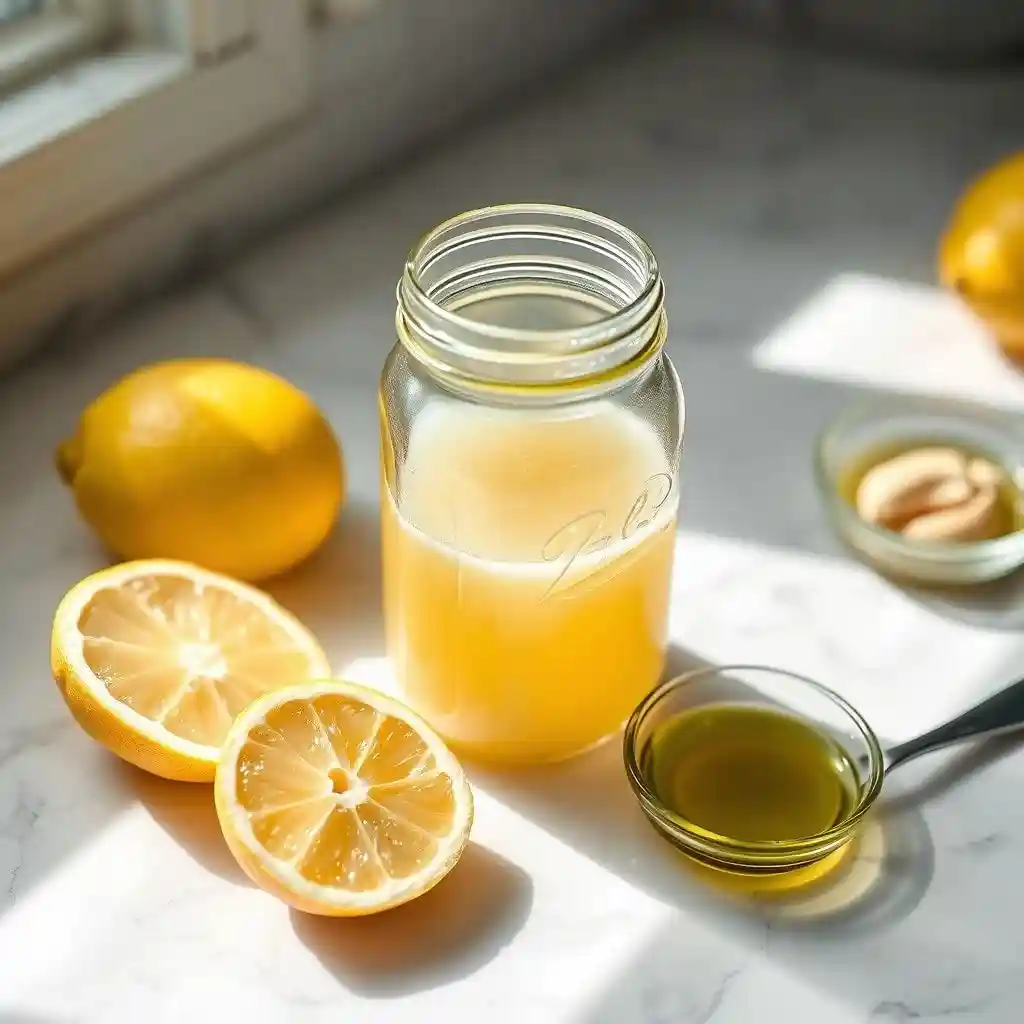
- Extra Virgin Olive Oil (6 tablespoons): This is non-negotiable. Don’t reach for the “light” olive oil or vegetable oil. Unlike budget-friendly alternatives, extra virgin olive oil is rich in antioxidants and polyphenols. Look for a bottle that’s cold-pressed and stored in dark glass to preserve quality.
- Fresh Lemons (2 medium, juiced to yield about 3 tablespoons): Please skip the bottled lemon juice. Fresh lemons provide vibrant flavor and vitamin C that bottled versions can’t match. The difference is like comparing a sun-ripened tomato to one that’s been sitting in a warehouse for three weeks.
- Dijon Mustard (1 teaspoon): Here’s the secret weapon. Dijon acts as an emulsifier, helping the oil and lemon juice blend together instead of separating into an unappetizing puddle. It also adds a subtle complexity and a tiny bit of thickness to the dressing.
- Garlic (1 small clove, minced or pressed): Fresh garlic brings pungency and depth. If you’re meal prepping for the week, use a microplane or garlic press to break it down completely so the flavor distributes evenly.
- Salt and Black Pepper (to taste): Start with a quarter teaspoon of fine sea salt and a few grinds of pepper, then adjust from there.
Optional additions: A pinch of dried oregano, a half teaspoon of honey if you prefer a touch of sweetness, or a small shallot finely minced for extra sophistication.
How to Make Lemon Vinaigrette (Step-by-Step)
Forget whisking in a bowl and dirtying extra dishes. The mason jar method is faster, more effective, and oddly satisfying.
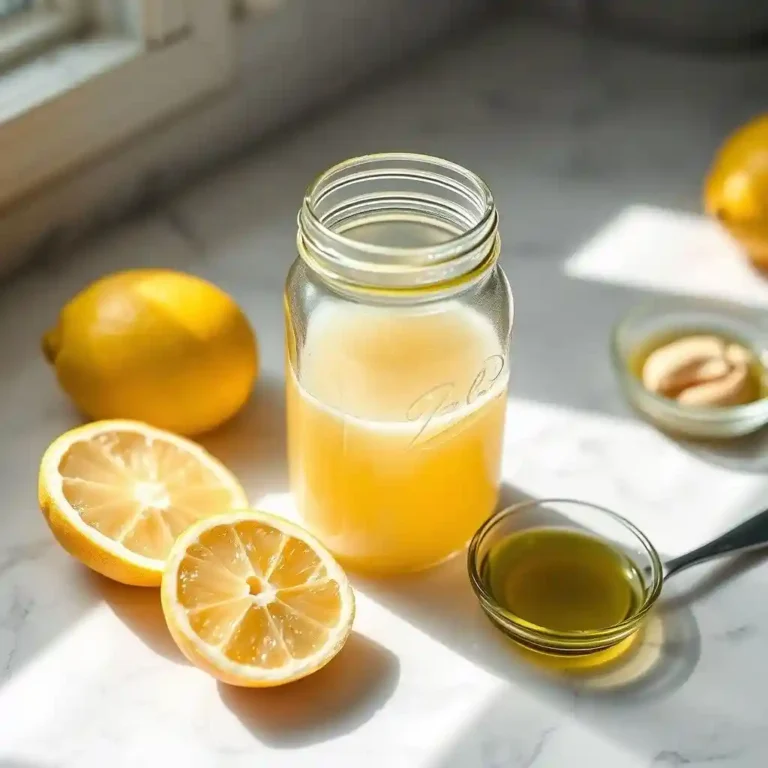
Step 1: Grab an 8-ounce mason jar with a tight-fitting lid. Add your minced garlic, Dijon mustard, fresh lemon juice, salt, and pepper to the jar first.
Step 2: Pour in the extra virgin olive oil.
Step 3: Seal the lid tightly and shake vigorously for 20-30 seconds. You’ll see the mixture transform from separated liquids into a creamy, emulsified dressing. This is the magic happening in real time.
Step 4: Taste and adjust. Too tart? Add another tablespoon of olive oil or a tiny drizzle of honey. Not enough zing? Squeeze in a bit more lemon juice or add a pinch more salt.
Pro tip for balancing acidity without sugar: If your lemon vinaigrette tastes too sharp or mouth-puckeringly acidic, don’t immediately reach for sweetener. Try adding an extra tablespoon of olive oil first—fat mellows acidity beautifully. If it’s still too tart, then add just a quarter teaspoon of honey and shake again. You’d be surprised how little sweetness you actually need when the other flavors are balanced.
Nutritional Breakdown
Let’s compare this homemade lemon vinaigrette to what you’d typically find on store shelves.
Provide evidence on the heart-healthy benefits of monounsaturated fats found in extra virgin olive oil.
Homemade Lemon Vinaigrette (2 tablespoon serving):
- Calories: ~120
- Fat: 14g (mostly heart-healthy monounsaturated)
- Carbohydrates: 1g
- Sugar: 0g
- Sodium: ~75mg (depending on how much salt you add)
Typical Store-Bought Ranch Dressing (2 tablespoon serving):
- Calories: 140-160
- Fat: 14-16g (often from soybean oil or other refined oils)
- Carbohydrates: 2-4g
- Sugar: 1-3g
- Sodium: 260-340mg
Typical Store-Bought Caesar Dressing (2 tablespoon serving):
- Calories: 150-170
- Fat: 16-18g
- Carbohydrates: 1-2g
- Sugar: 1-2g
- Sodium: 300-400mg
- Often contains added preservatives and thickeners
The difference might seem small on paper, but consider this: you control exactly what goes into your homemade version. No mysterious “natural flavors,” no preservatives you can’t pronounce, and significantly less sodium. Plus, when you make your own, you’re far more mindful about portion sizes. That matters when research shows most people pour nearly double the serving size on their salads.
Meal Prep & Storage lemon vinaigrette
One of the best things about this lemon vinaigrette is how well it keeps, making it perfect for weekly meal prep.
Storage duration: This dressing will stay fresh in the refrigerator for up to seven days when stored in an airtight container. The garlic flavor will intensify slightly over time, which many people find even more delicious.
The olive oil solidification issue: Don’t panic if you pull your lemon vinaigrette from the fridge and find it’s turned cloudy or partially solid. The solidification of olive oil at low temperatures is a natural physical property and not a cause for concern. Simply let the jar sit at room temperature for 10-15 minutes before using, or run warm water over the outside of the jar for a minute. Give it a quick shake, and it’ll return to its liquid, pourable state.
Batch prep strategy: Make a double or triple batch on Sunday and portion it into smaller jars if you’re packing lunches for the week. That way, you can grab and go without contaminating your main batch.
Smart serving tip: Pour your dressing into a small dish and dip your fork into it before spearing your salad. This technique uses significantly less dressing while ensuring every bite has flavor, helping those calories stretch even further.

5-Minute Lemon Vinaigrette Recipe for Weight Loss
Ingredients
Method
- Add lemon juice, Dijon mustard, minced garlic, salt, and pepper to an 8-oz mason jar
- Pour in the olive oil
- Seal lid tightly and shake vigorously for 20-30 seconds until emulsified
- Taste and adjust seasoning as needed
- Use immediately or refrigerate for up to 7 days
Notes
- Let refrigerated dressing sit at room temperature for 10-15 minutes before using
- Garlic flavor intensifies over time
- Shake well before each use
FAQs about lemon vinaigrette recipe
Can I use dried herbs instead of fresh ingredients?
Absolutely. While fresh lemon juice is essential for bright flavor, you can definitely add dried herbs to customize this vinaigrette. Dried oregano, basil, thyme, or Italian seasoning blend all work beautifully. Use about half a teaspoon of dried herbs since they’re more concentrated than fresh. Add them when you add the other ingredients and let the dressing sit for at least 10 minutes so the herbs can rehydrate and release their flavors. For fresh herbs like parsley, basil, or dill, finely chop and stir in just before serving to maintain their vibrant color and taste.
What is the best oil for weight loss vinaigrettes?
Extra virgin olive oil is the gold standard for several reasons. It contains oleic acid, a monounsaturated fat that research links to reduced inflammation and improved satiety—both important for sustainable weight loss. It also has the most robust flavor, meaning you can use less and still get maximum taste impact.
That said, avocado oil is an excellent alternative if you prefer a more neutral flavor or want a higher smoke point for vinaigrettes you’ll use as marinades for grilling. It has a similar fatty acid profile to olive oil.
Avoid oils marketed as “vegetable oil,” “canola oil,” or “light olive oil” for dressings. These are highly refined and lack the nutritional benefits and flavor complexity of cold-pressed options. Yes, they’re cheaper, but this is one area where spending a few extra dollars delivers genuinely better results for both taste and health.
Can I make this without Dijon mustard?
You can, but your dressing won’t emulsify as well and will separate more quickly. If you don’t have Dijon, try using whole grain mustard, yellow mustard, or even a tiny bit of tahini as an alternative emulsifier. In a pinch, a small amount of mayonnaise works too, though it adds calories and changes the flavor profile slightly.
How can I make this dressing creamier?
Blend in a tablespoon of tahini, a quarter of an avocado, or a spoonful of Greek yogurt. Each of these additions will create a creamier texture while keeping the calorie count reasonable and adding nutritional benefits like protein or healthy fats.
Is lemon vinaigrette keto-friendly?
Yes. With virtually zero carbohydrates and healthy fats from olive oil, this dressing fits perfectly into a ketogenic eating plan. It’s also paleo-friendly, Whole30-compliant, and works for most clean eating approaches.
Ready to Ditch the Processed Dressings?
Making your own lemon vinaigrette is one of the simplest ways to take control of what you’re putting into your body. It costs pennies per serving, takes less time than finding your car keys, and transforms ordinary vegetables into something you’ll genuinely look forward to eating.
Try this recipe today and taste the difference fresh, whole ingredients make. Get a head start this weekend by prepping a fresh batch of dressing, some crunchy veggies, and leafy greens to ensure your healthy meals are ready to go all week long. Your taste buds and your waistline will thank you.
Have you made your own salad dressing before? Drop a comment below and share your favorite flavor combinations or let me know how this lemon vinaigrette worked for you!